FLATHEAD GUIDE AND GEAR
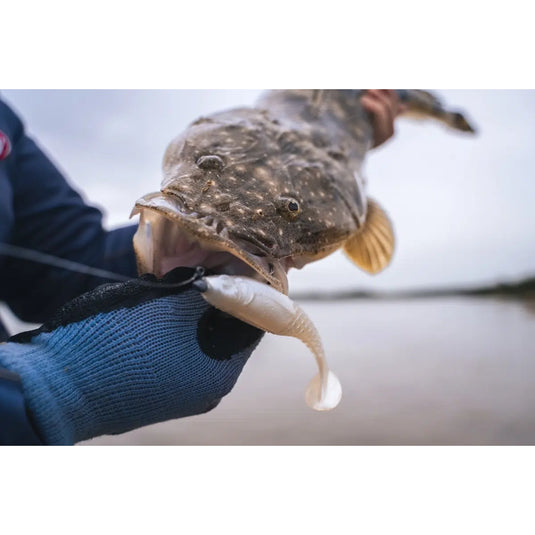
The humble Dusky Flathead, one of Australia's iconic saltwater fish species. Found commonly throughout the east coast of Australia they are a fun species to target with their eagerness to eat anything that fits in their mouth whether that's a lure or bait. This makes Flathead a great fish to target for people of all ages and skill levels.
DIFFERENT WAYS TO CATCH FLATHEAD
LURES - PLASTICS, HARDBODIES & VIBES/BLADES
Lure fishing for Flathead has become one of the most popular methods, as fishing technology has improved over the years so have the lures which has opened a variety of new ways of catching Flathead.
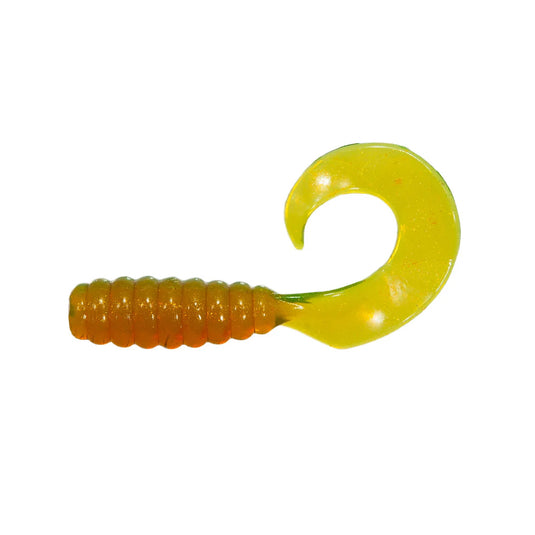
Bouncing Soft-Plastics off the bottom allows us to search a variety of depths which make them a versatile and great first choice of from a lure! The most successful soft plastic designs are the "flick" type lures that need a good lift of the rod tip to work. Lures like the Nomad Live Ops Jerk Squid and the Daiwa Bait Junkie Prawn are popular lures for local waters including Narrabeen lake.
Diving Hard Bodies/Jerkbaits are going to be great for areas like the Sand Flats as they only dive to a specific depth. Just slow roll them or give the lure a jerking action mixed in with a slow roll and pauses. A popular lure is the Daiwa Double Clutch.
Vibes/Blades produce a vibrating movement when worked making it highly effective and is typically used like a Soft-Plastic, generally bouncing off the bottom with a long lift of the rod letting the vibe flutter back down.
Top water lures have also become popular in recent times, although not the most effective, it certainly is exciting seeing a big Flathead take a surface lure!
SWIMBAITS & GLIDEBAITS
Swimbaiting & Glidebaiting on the Sand Flats for trophy Dino Flathead has become more popularised in recent times with many anglers taking their chances casting lures as big as 300mm in size weighing 250g or heavier! Heard the saying "Big Lure equals Big Fish". There is some truth to this saying as you will usually filter out the smaller sub 50cm fish but it's not always the case though as even smaller Flathead will still have a crack of a lure the same size as them. Just shows how voracious these predatory fish are!
BAITS LIVE & DEAD
Bringing it back to basics! The humble Pilchard on a 2-3 gang of hooks - One of the best dead baits you could use for Flathead but there are plenty of other rigs & baits like Prawns, Beach Worms, White Bait, Mullet, Herring, Squid and even cuts of Raw Chicken just to name a few. Even though Flathead are ambush predators they won't pass the opportunity to feast on well presented dead bait lying on the bottom or retrieved slowly.
If you can, LIVE BAITING is by far the best method as movement from the live bait will garner the attention of any hungry Flathead present in the area. If you ask any old school angler they'll tell you the best live baits you can get your hands on will be Poddy Mullet, Tailor, Herring and Whiting rigged with a single hook just under the dorsal fin not too deep or it will hit the spine and render your Live Bait into a Dead Bait. Also don't be afraid of leaving the Live Bait out there for over 15 mins as Flathead do move around to better feeding grounds and for tidal movements.
*There is no one hook for bait fishing that can do it all - adjust your hook size and shape according to the bait you are using.
TROLLING ON A BOAT OR KAYAK
Trolling on the sand flats or bays is a super effective method of covering a wide area of potential Flathead ground! We recommend you start at a slow speed of 1-3 knots (almost idle speed) searching through these grounds with Diving Hardbodies. It is best to check how deep your lures dive to so you have the correct lure for the job but you want the lures to be as close to the bottom as you can. A hot tip is when you are trolling and the depth changes you can let more line out so the lure dives deeper and vice versa!
WHERE TO FIND FLATHEAD
The beauty of targeting Flathead is that they live all up and down the East Coast of Aus from QLD, NSW and down to Victoria living camouflaged at the bottom of estuarine areas, coastal bays, sand flats and up to the tidal limits.
Lucky for us flathead are prevalent across our local waterways. Pittwater, the Harbour and Narrabeen Lake are good areas. Try to work drop offs and weed beds. When land based it's best to keep moving and covering different areas. Don't work one spot for the whole time. Keep moving to find the fish.
FLATHEAD GROUNDS
Gutters, drop offs, and weedy broken up areas are great places to target Flathead. As you can see by the map of Narrabeen Lagoon of the areas of shallow water (indicated by the lighter water) and the deeper water (indicated by the darker colour) These areas of transition in depth are great areas to start targeting flathead. They love to sit on drop offs and wait for prey to move a little too far into the deeper water.


ROD & REELS
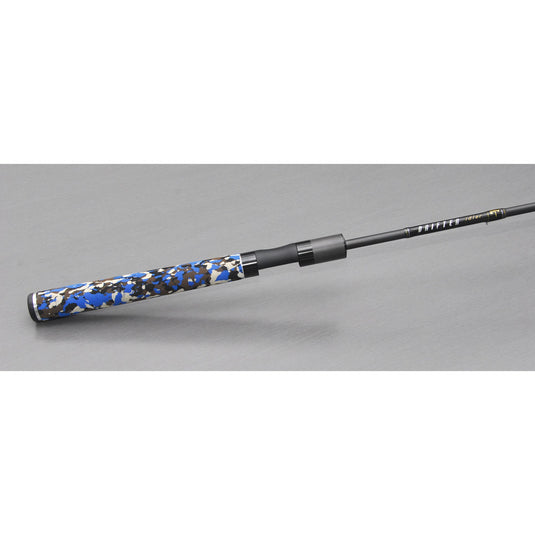
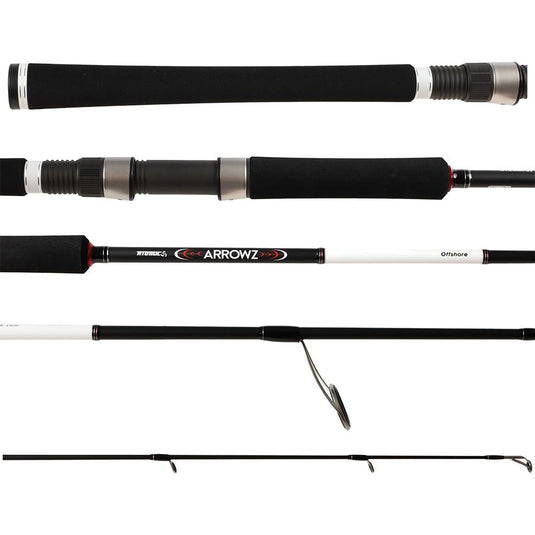
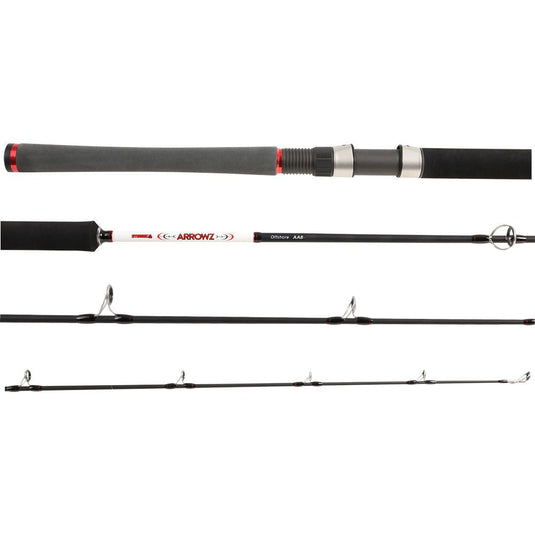
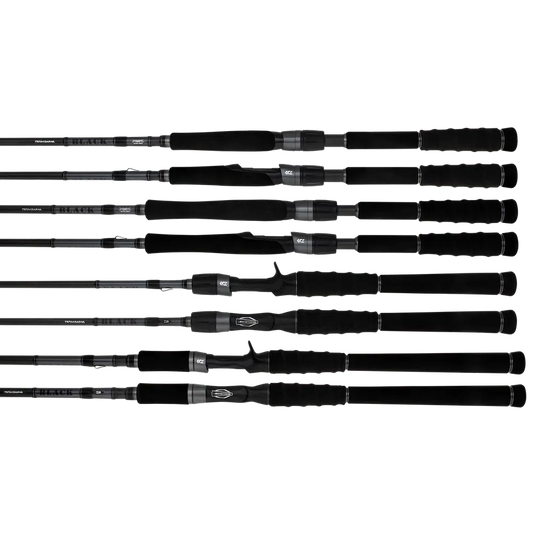
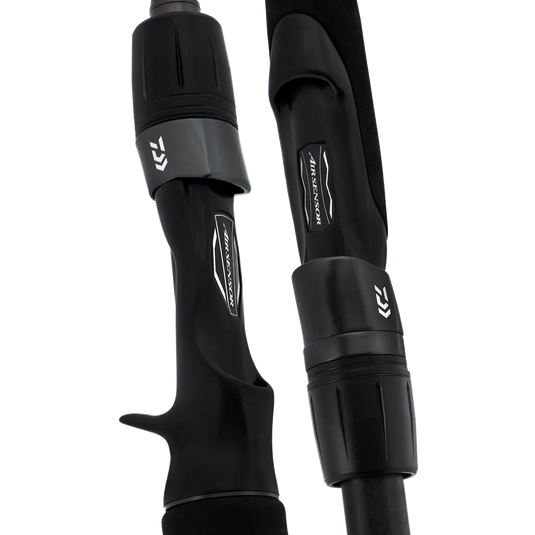
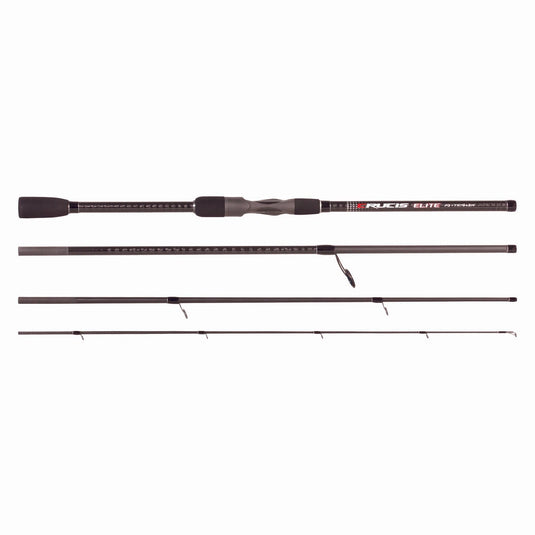
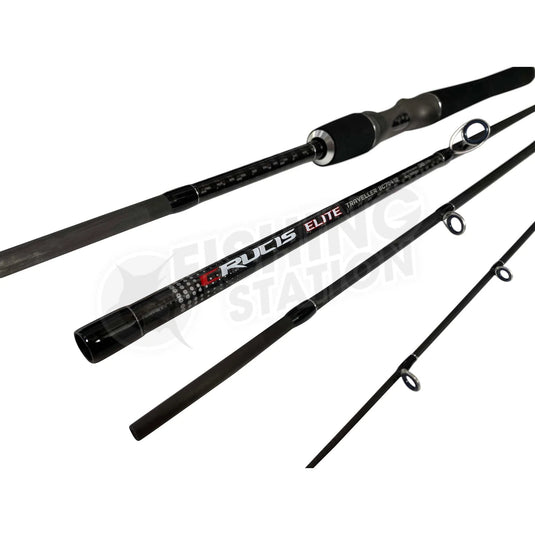
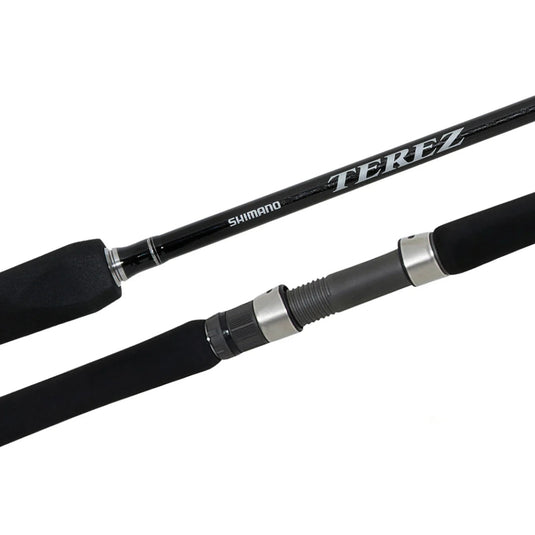
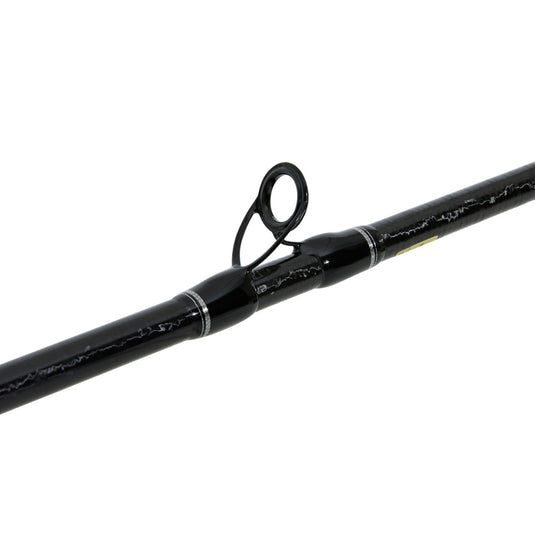
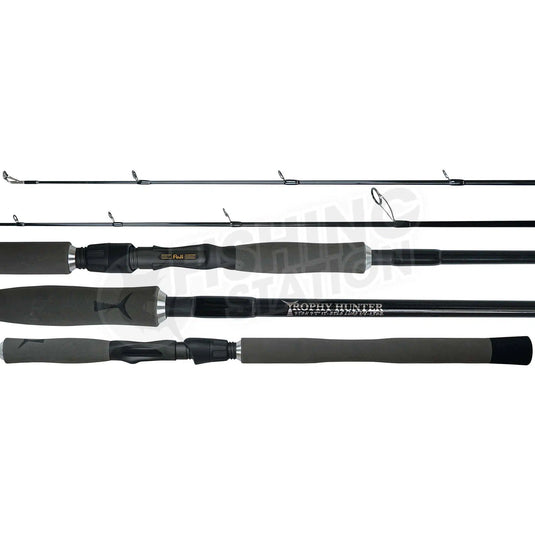
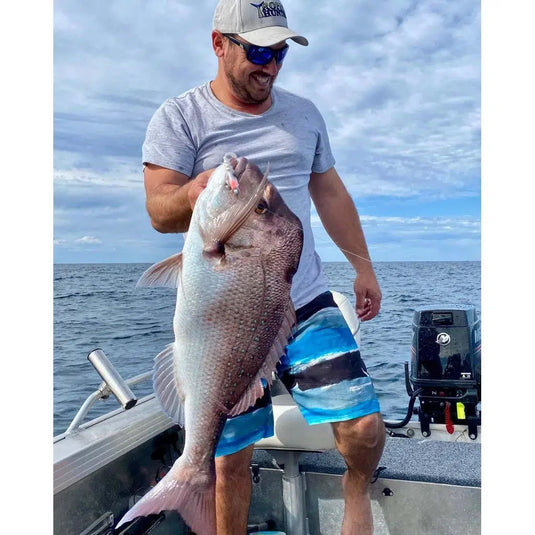
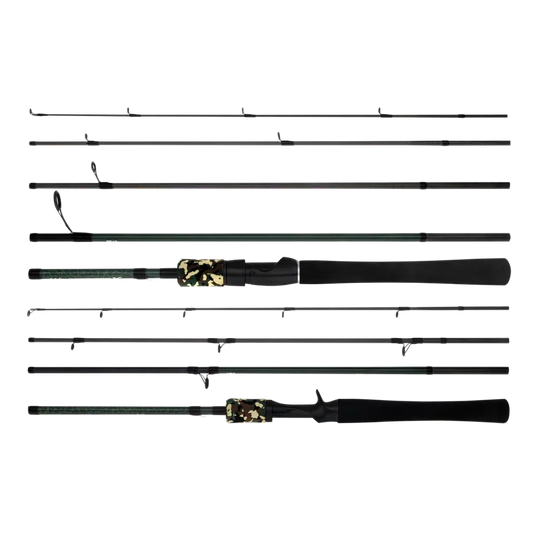
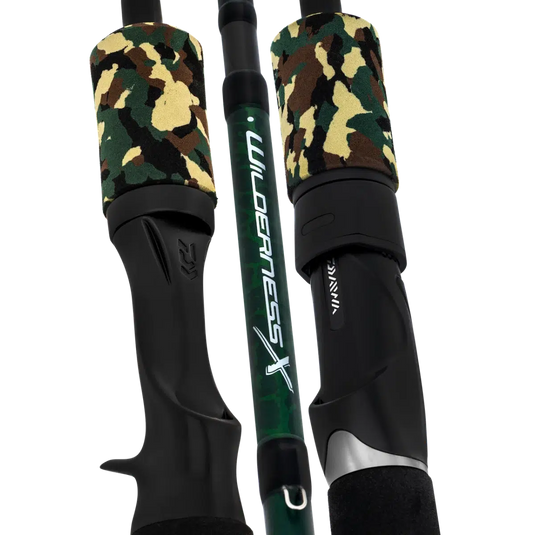
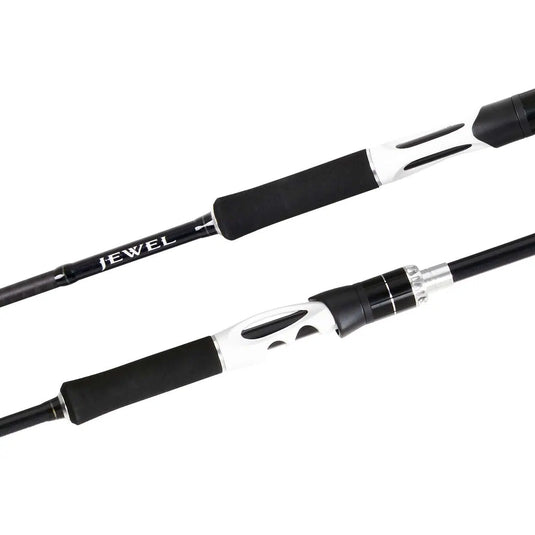
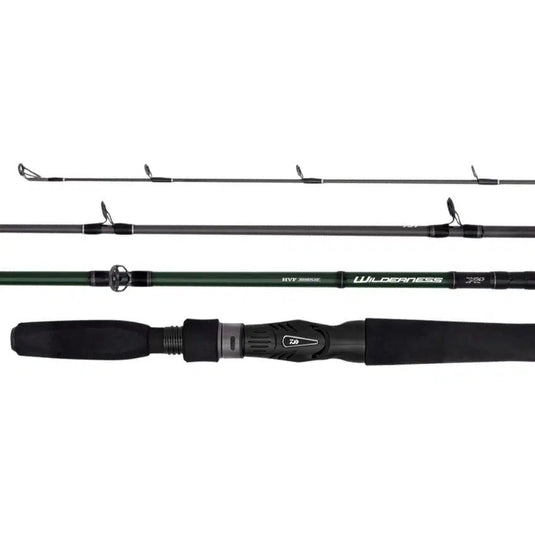
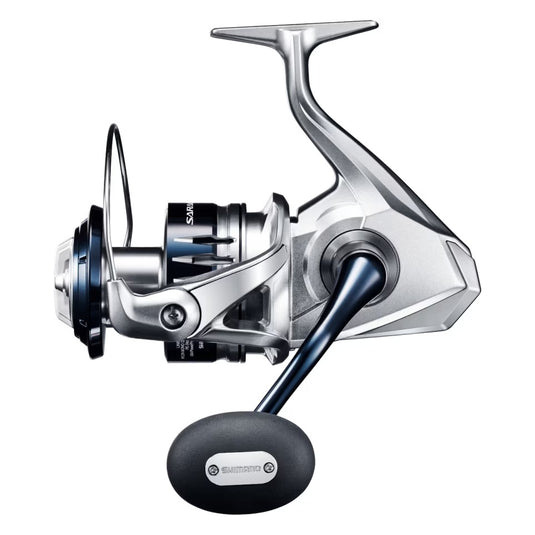
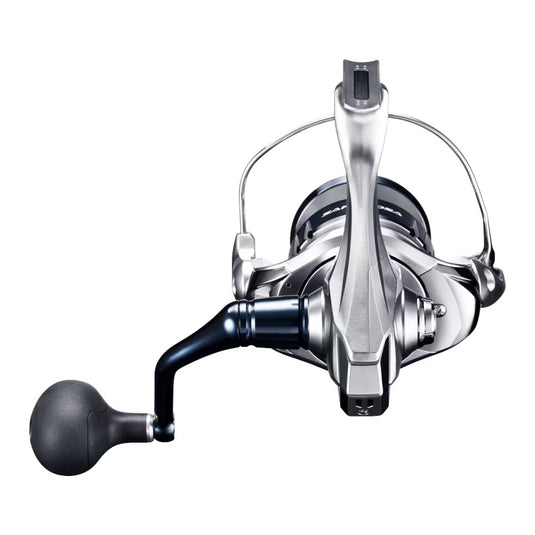
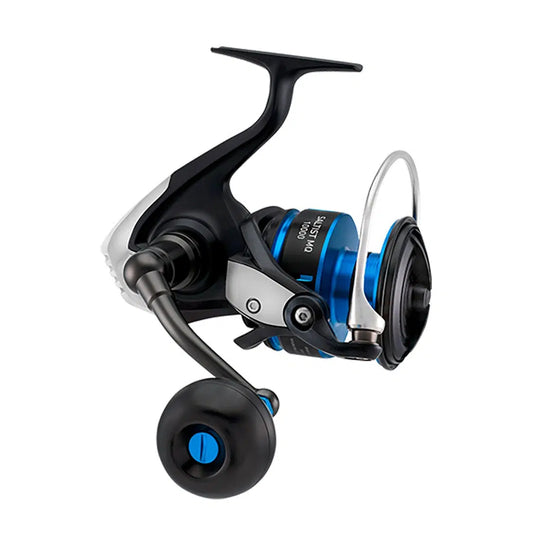
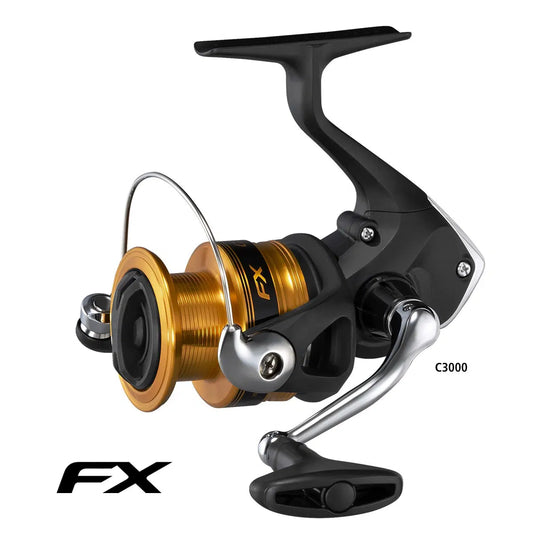
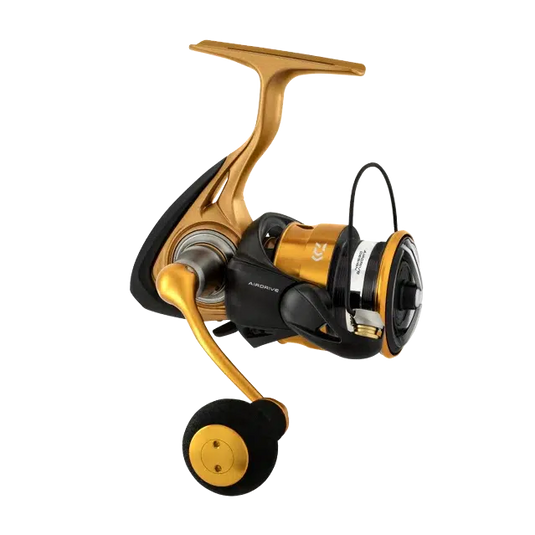
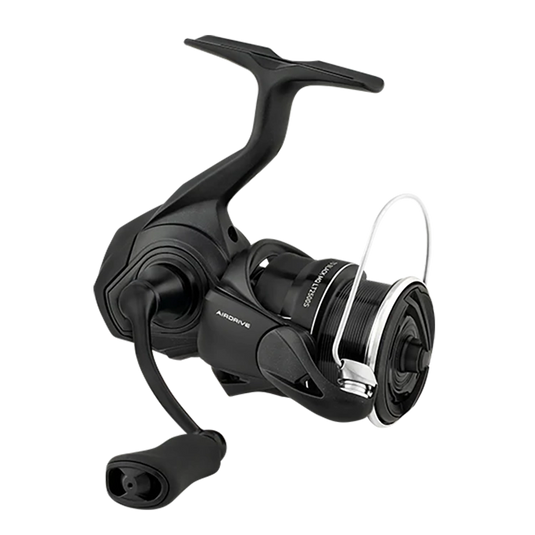
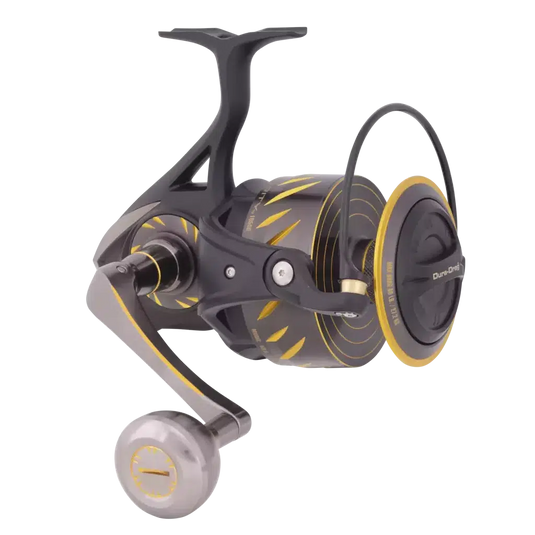
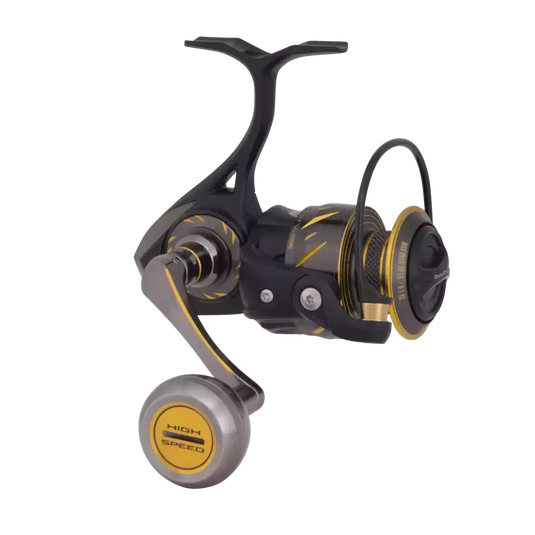
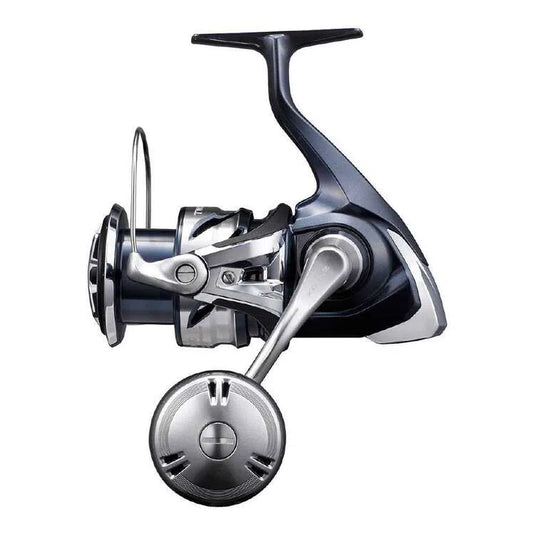
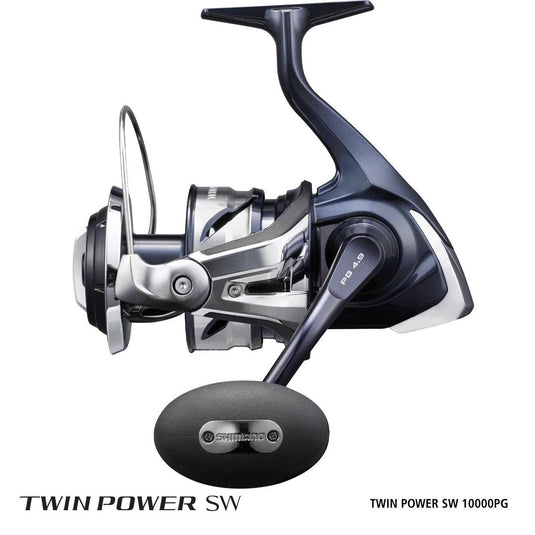
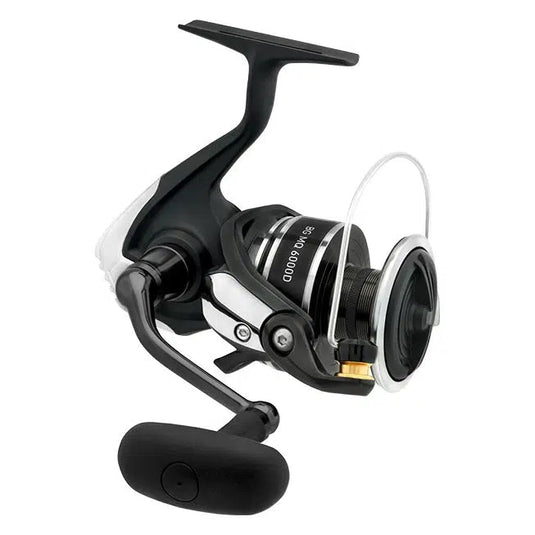
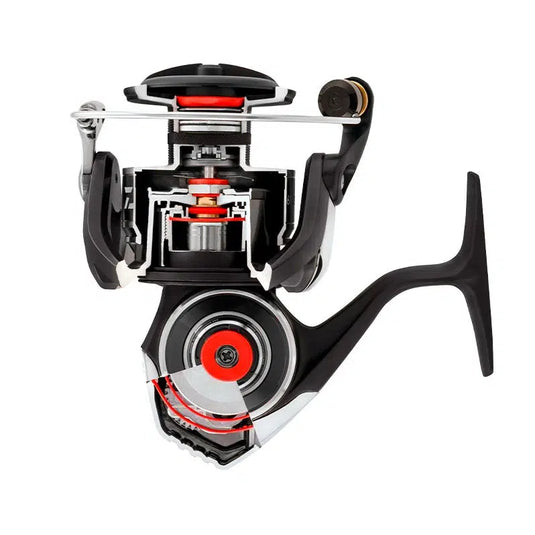
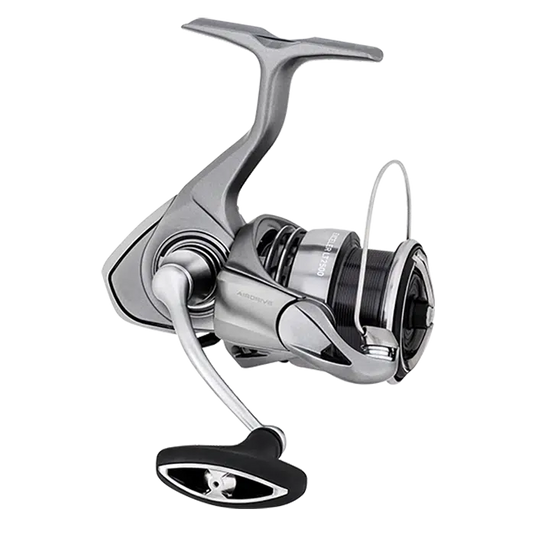
A 2-4kg to 3-6kg rod weight rating between 6'6" to 7'8" (198.12 cm - 234cm) is a great starting point if you're looking to get into fishing for Flathead. To take the guess work out we have these awesome flathead combo. This weight class will allow you to throw a wide variety of smaller lures like Soft Plastics (2" to 5" in), Hardbodies, Blades/Vibes and be great for dead bait fishing. If you are using live baits like whiting or mullet a 4-7kg rod is recommended. If you are wanting to throw bigger lures like Swimbaits, Glide Baits, Hardbodies and XL Plastics (7 inches plus), a Spin or Baitcaster rod rated 4-7kg to 15-24kg is recommended to be able to cast such lures. Always check the Lure Weight rating for the lures you will use to avoid breaking your rods - no one likes to have their rods broken especially when they are brand new…






















Which Line To Use?
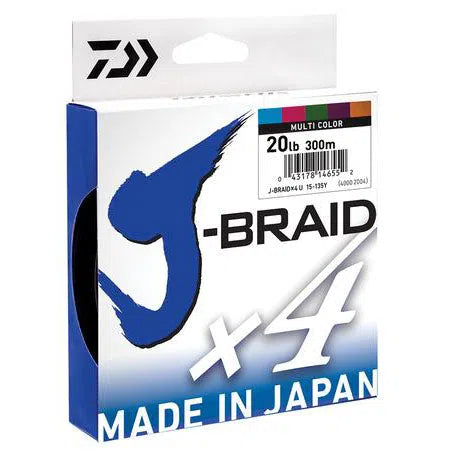
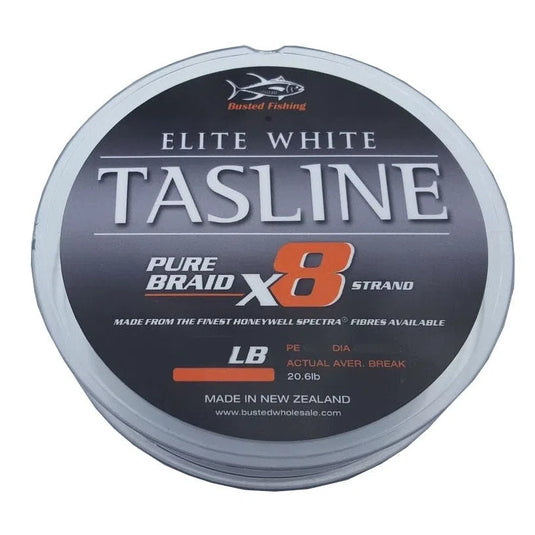
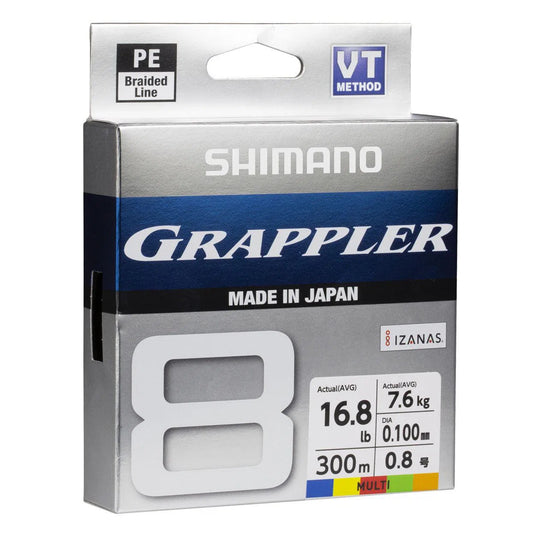
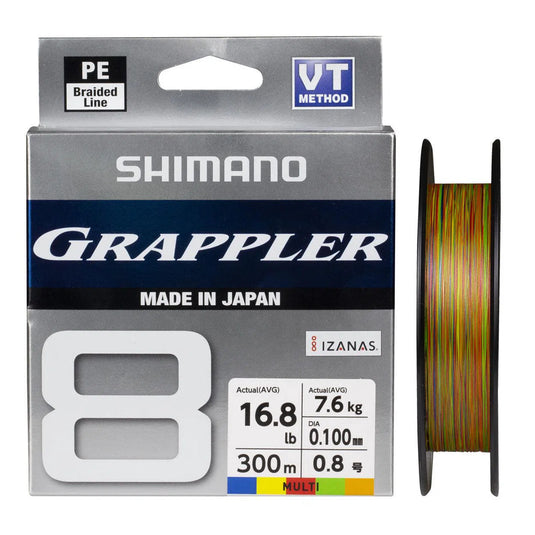
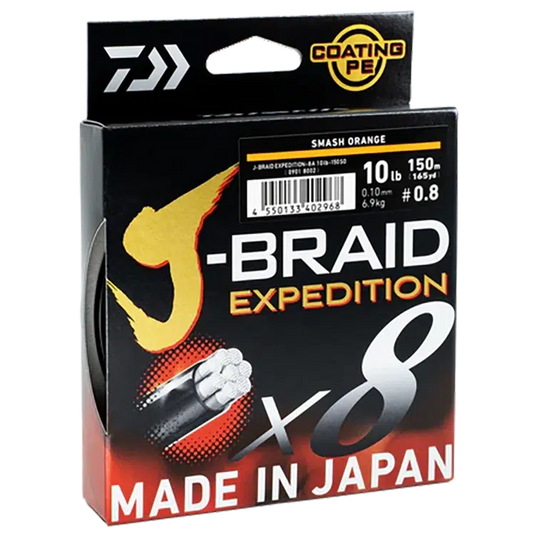
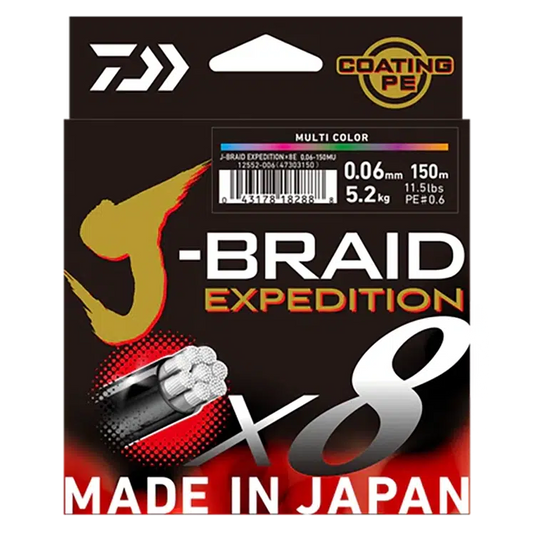
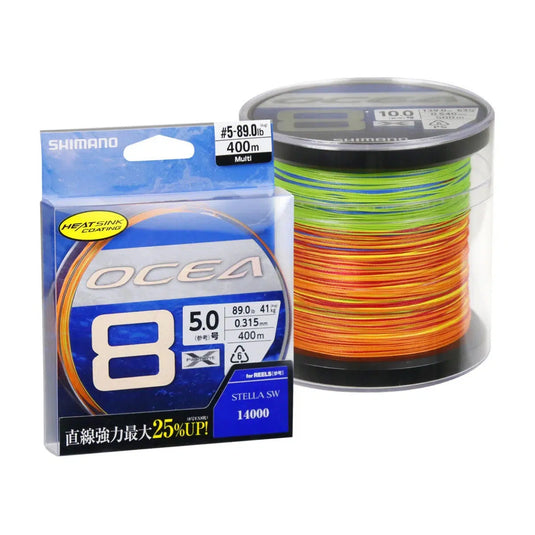
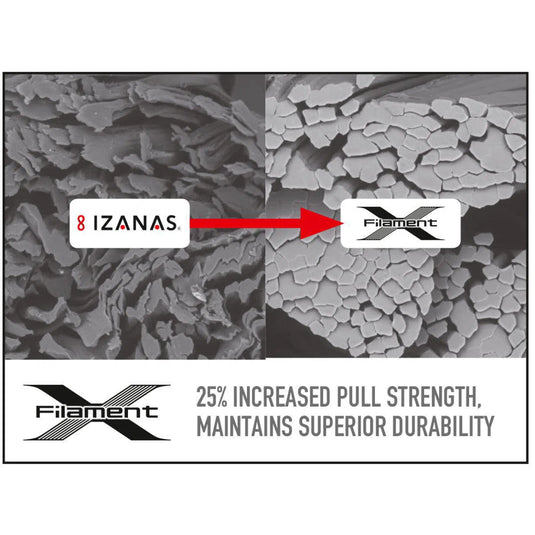
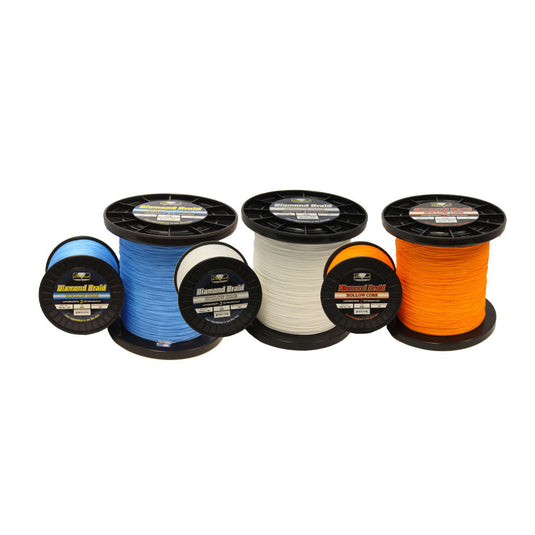
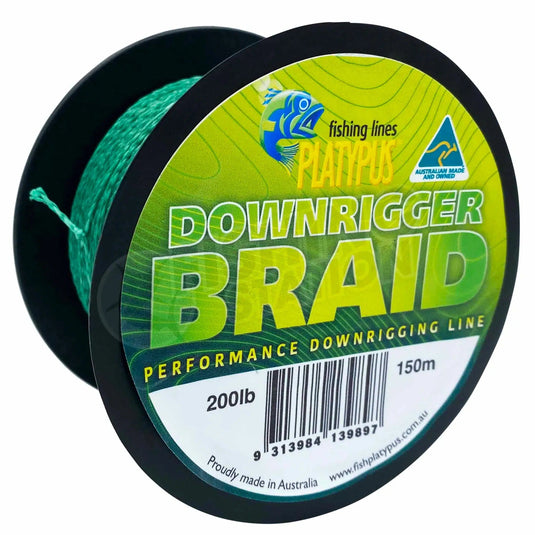
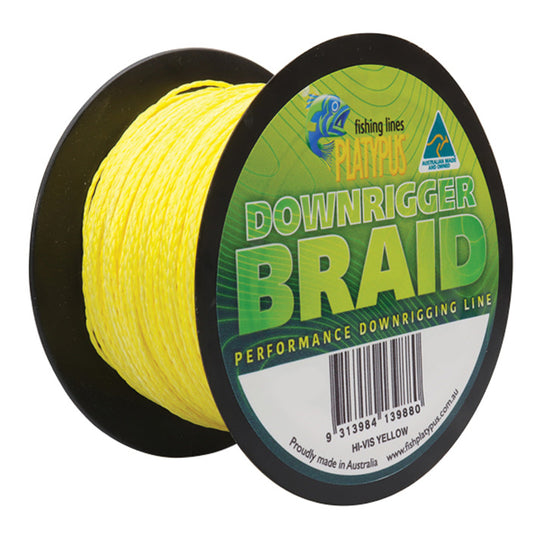
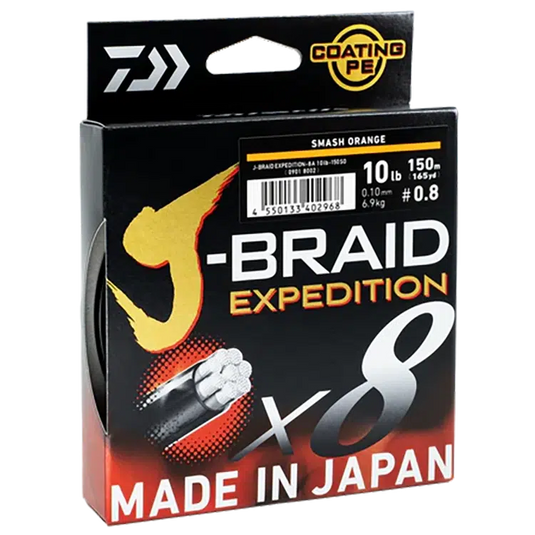
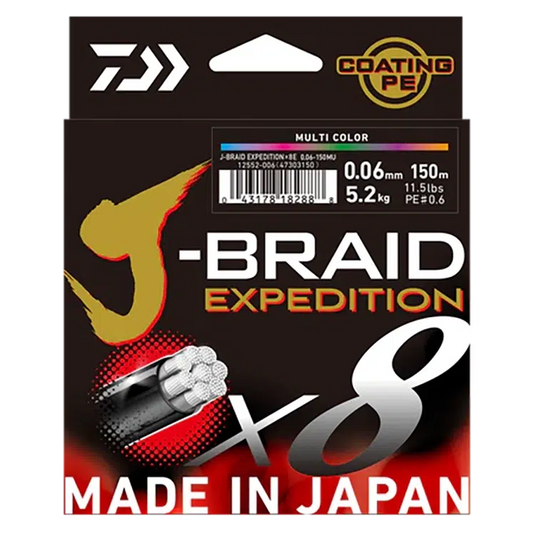
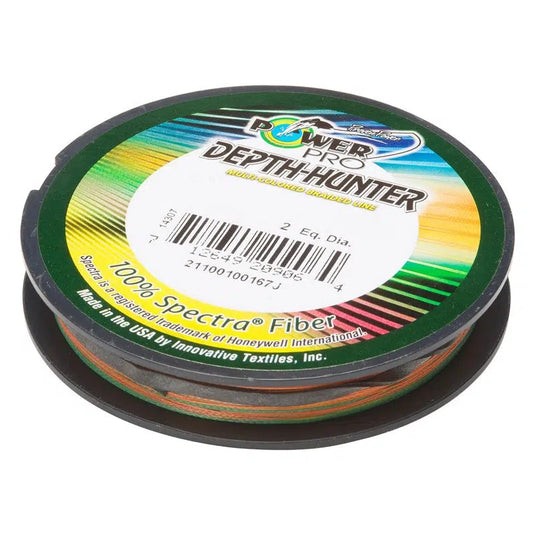
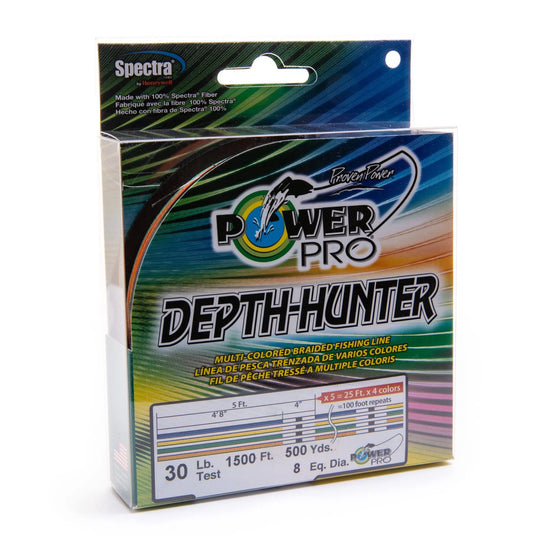
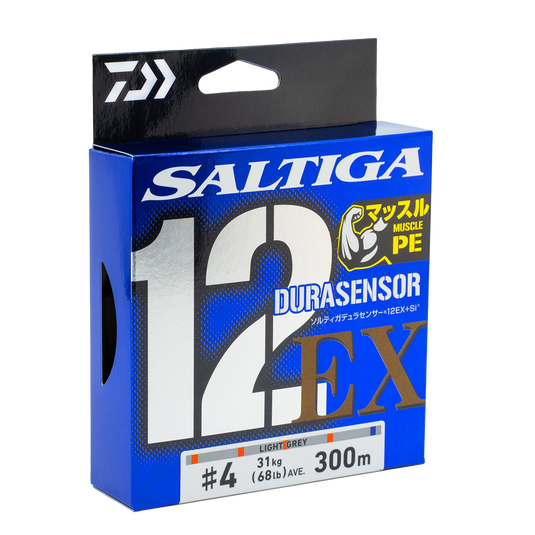
Since the improvement of braided lines, it has quickly become the more popular choice when lure fishing. Braided lines also cast further and are often 1/4 the diameter of mono and fluorocarbon line meaning you can fish with smaller reels. Braid also has almost zero stretch which allows more sensitivity to the angler whereas traditional mono and fluorocarbon lines have stretch so you lose sensitivity. The only drawback of braid is that you'll need a mono or fluoro leader on the front to fish baits or lures as braid is susceptible breaking as it has low abrasion resistance. However this doesn't render mono a fluoro useless as there are plenty of people who run mono and fluoro as their main lines. *More braided line options available in-stores available to be spooled with our line spooling machines.










Which Leader To Use?
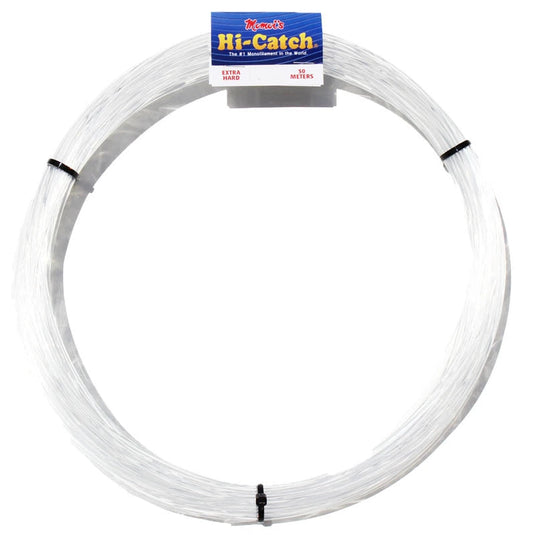
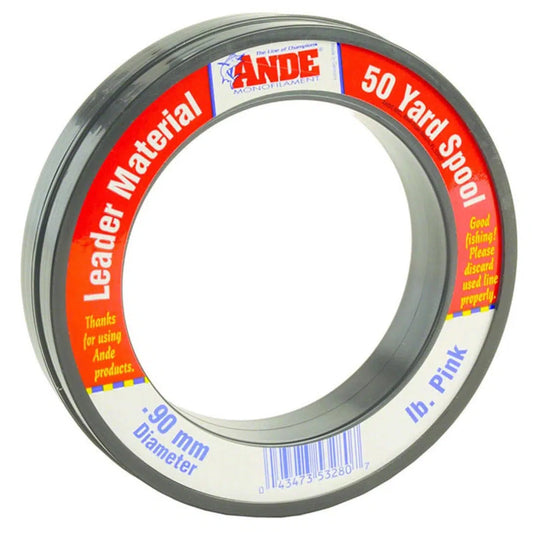
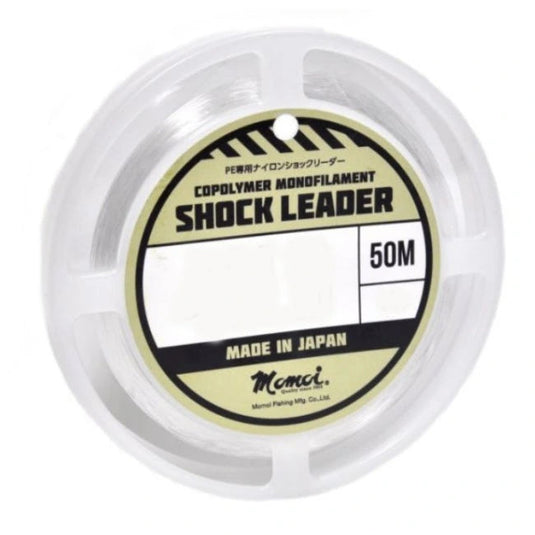
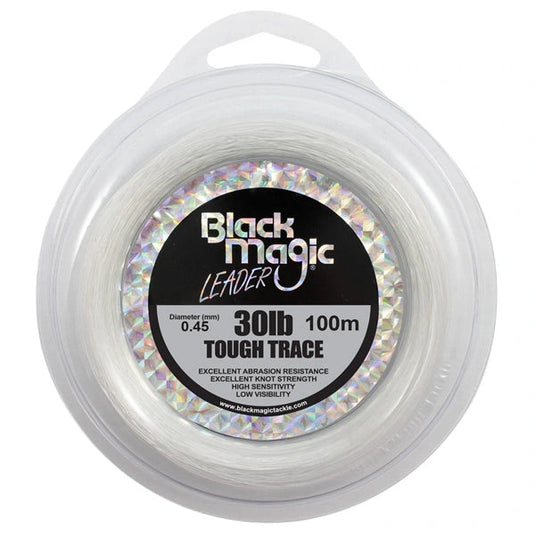
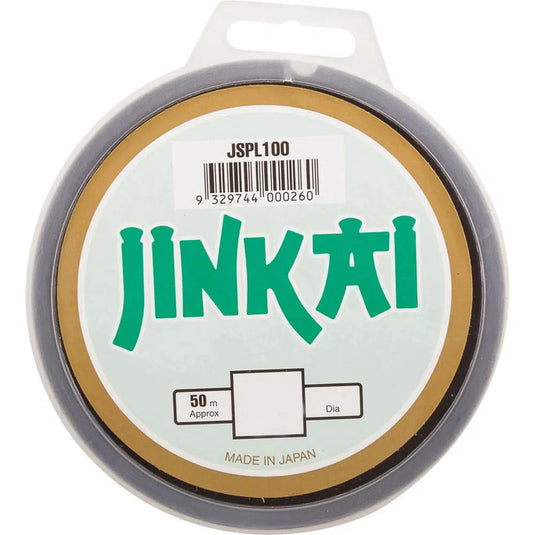
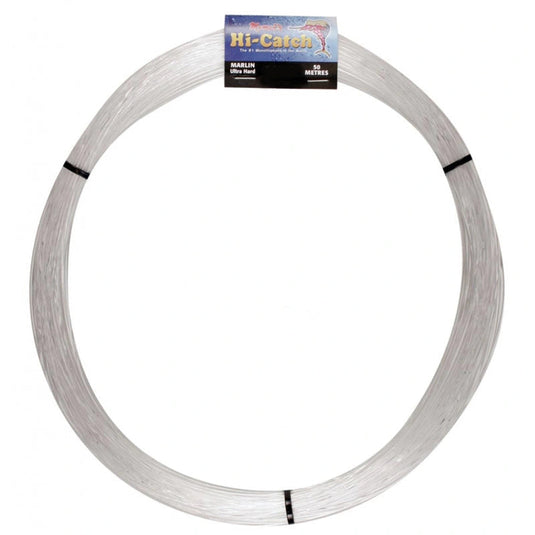
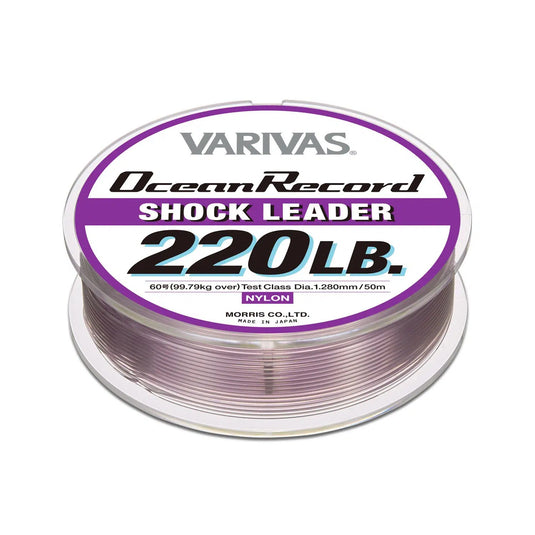
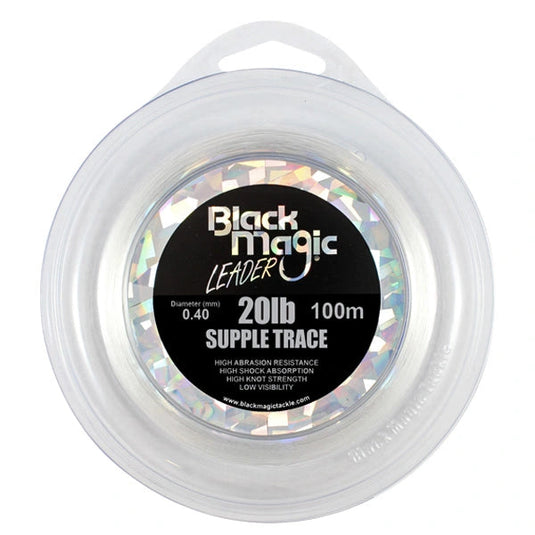
Leader choice is also important when targeting Flathead as they have a row of sharp teeth that they can rub through light leader with their head shakes during a fight. A Fluorocarbon leader between 10 - 15lb for light tackle will be perfect and a 20 - 60lb leader is recommended for heavier lures. A hot tip if you're fishing light leader and don't know where the fish is hooked is to keep the rod tip down close to the water. This will help keep the leader further away from front set of chompers to increase your chance of landing the fish!











Our lure selection
Flathead are ambush predators and eat a wide range of food. From small fish to prawns, worms and more. One thing to note is they aren't too shy when it comes to the size of the bait/lure. Here is a selection of our team's favourite lures.