Sand Whiting Gear and Guide
SAND WHITING
Sand whiting are a staple species to target off the beach. All along the east coast whiting are a favourite fish among beginner and seasoned anglers, not only for their table fare but are great fun on light gear - especially for the kids! This guide covers where to find them, how to catch them, best gear to use, top baits, and times & tide to maximise your catch this summer!


FINDING A SPOT TO FISH
Before you cast a line, you want to find the right spot to fish. Sand whiting are not random fish; knowing where they lurk makes a huge difference. Unlike large predatory fish, whiting will tend to move in and out of gutters a little differently. In the image it shows a typical beach gutter with water movement. Whiting will tend to concentrate in calmer sections of the beach. You need to consider that whiting prefer to dig around for their food so they will hug the edges of gutters rather than sit in the middle of the gutter.
TIME AND FISH MOVEMENT
Whiting will generally bite at most times of the day. Sunrise and sunset are usually more productive however, when fishing the beach you need to have a good understanding of water movement and how it affects fish. When the tide is high the fish will become more scattered. Whiting will move onto the shallower sand banks where the water is being churned up by the waves. At times with the higher tide whiting will almost be feeding at your feet right up close to shore. At times of lower tides the fish will concentrate on the edges of deeper gutters. In short, fish the deeper water when it's shallow and shallow water when the tide is a little higher.


WEATHER, OCEAN AND CONDITIONS
This, in our opinion, is very important for beach fishing. Even if you find the perfect gutter the wind and waves can ruin a fishing session. Firstly, let’s talk about the waves. Waves are important to churn up the water and encourage fish to feed. If the swell is too big it can be difficult to keep your bait in one spot. Plus whiting aren't big fans of large swells. They prefer calmer conditions. It’s important to check the wave forecast before fishing. You want to avoid big north east swells (on the east coast) as these swells produce the most sweep and you also want the swell to be lower than 4 to 5 feet or under 2 meters. Some locations have smaller swell due to the direction the beach faces (South facing beaches will be smaller in north east swell but become a magnet for waves when it’s a south swell)
One thing we have to highlight is the cold water phenomenon that occurs on our east coast beaches during summer. When there are repeated seabreezes over a few days this generates what we call a north east wind swell. These swells are small but pack a punch in their ability to sweep water from north to south. Not only it is going to be difficult to keep a bait in the water but the water temp can dramatically drop. You may have gone for a dip in the middle of summer at the beach only to find that it’s freezing. What happens is that the warmer surface water is literally swept away and replaced by cooler water from the deeper parts of the ocean. This cool, clear water can be a real pain and in some cases it stops fish from feeding close to shore. Sometimes the change in water brings algae and you’ll notice this if using braided line as it can stick to the line as you wind it through the water.
Ideally you're looking for a nice calm beach with swell around the 2 foot mark. Light winds are preferable, early mornings and afternoons produce the best bite.


BAIT SELECTION
Whiting are fussy. Especially the big ones. Off the beach the best bait by far is live beach worms. Dead frozen ones can work but if you're really wanting to catch whiting then invest either time or money into catch/buying your own worms.
A close second is live nippers. These are great baits and a bit easier to catch compared to worms however, they are very soft baits and can fly off the hook when you cast so it pays to be gentle when using nippers.
Next are pippis. These work well but are more suitable for fish like bream and tarwine.

ROD AND REEL
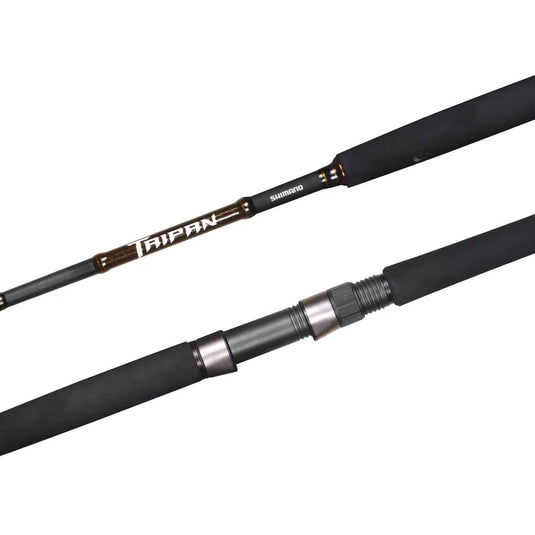
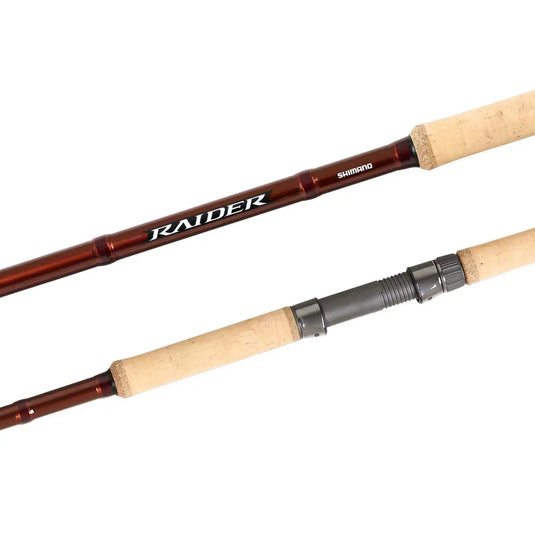
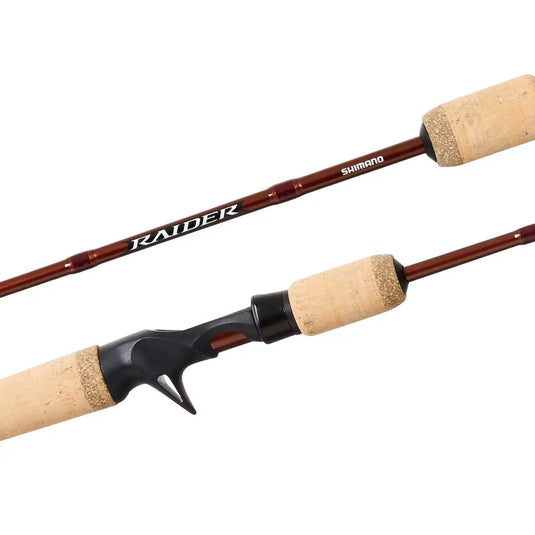
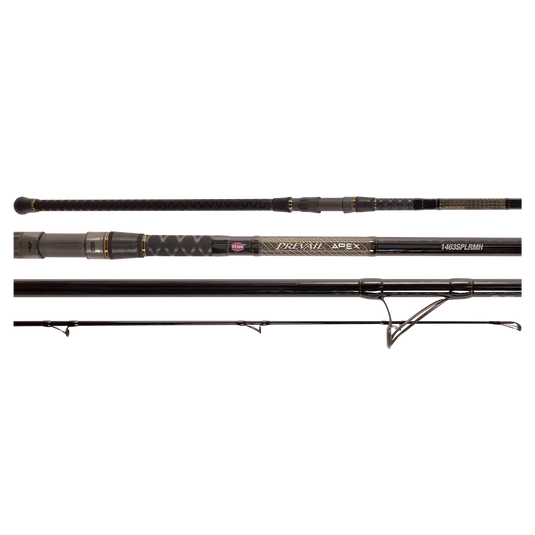
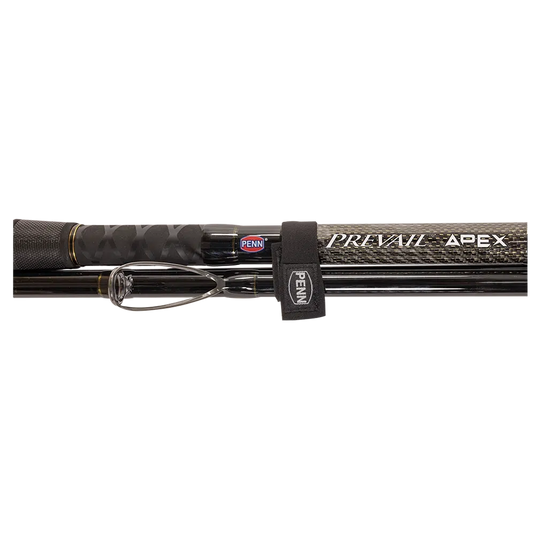
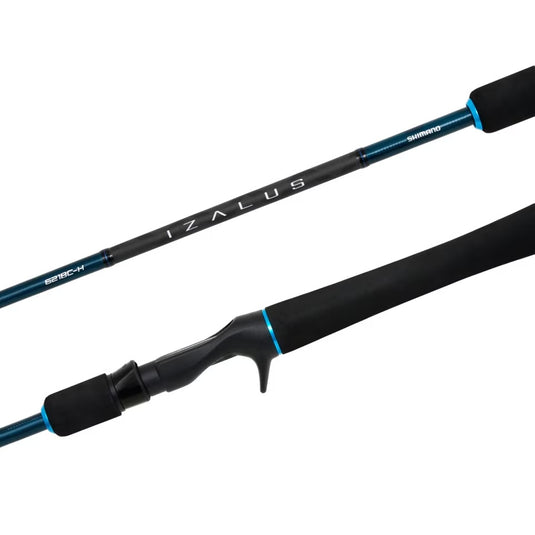
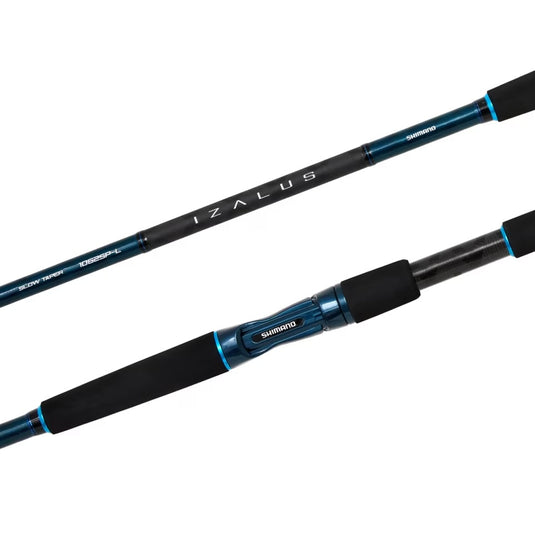
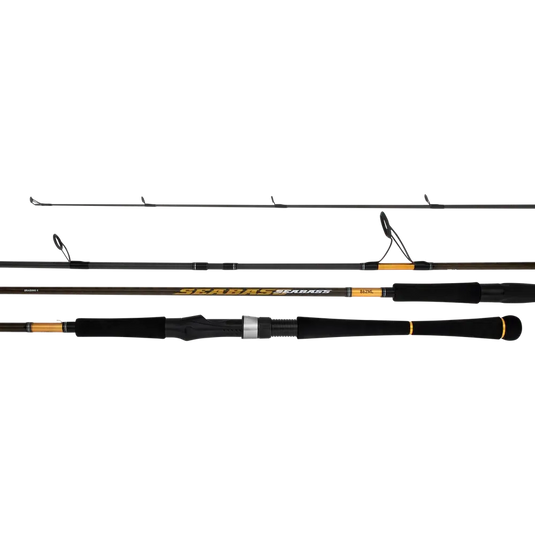
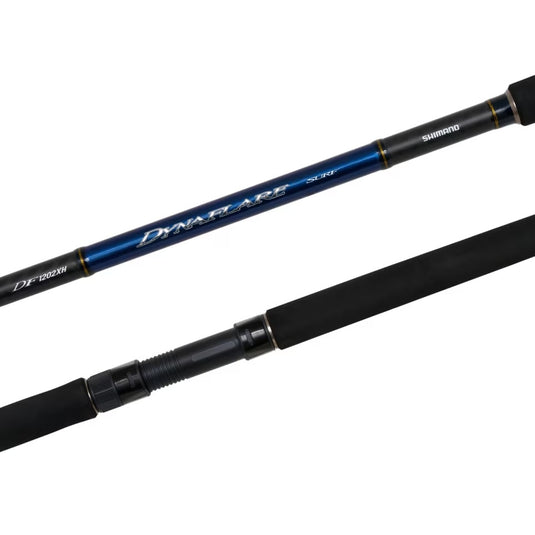
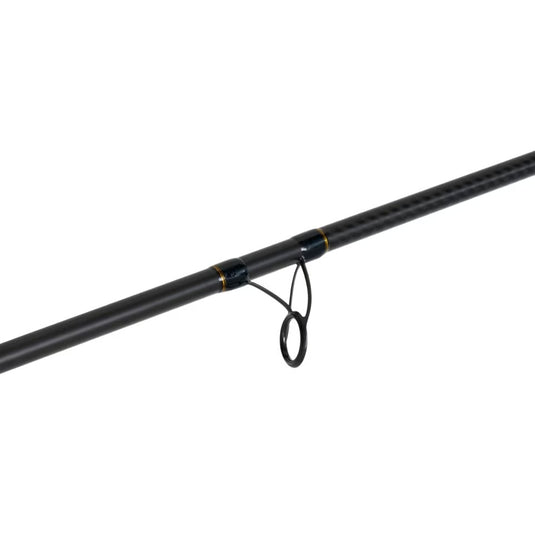
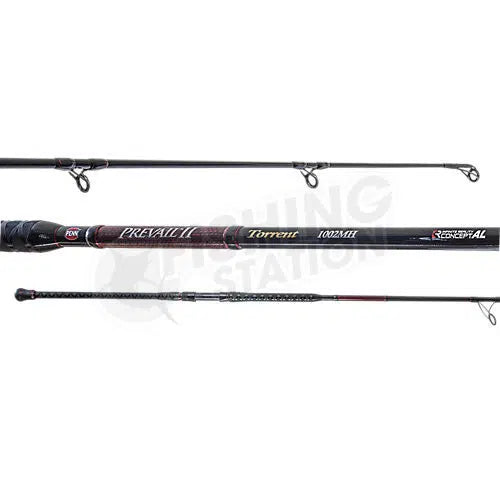
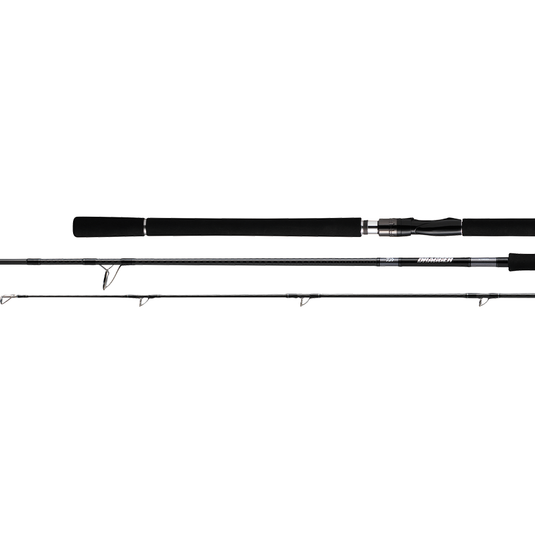
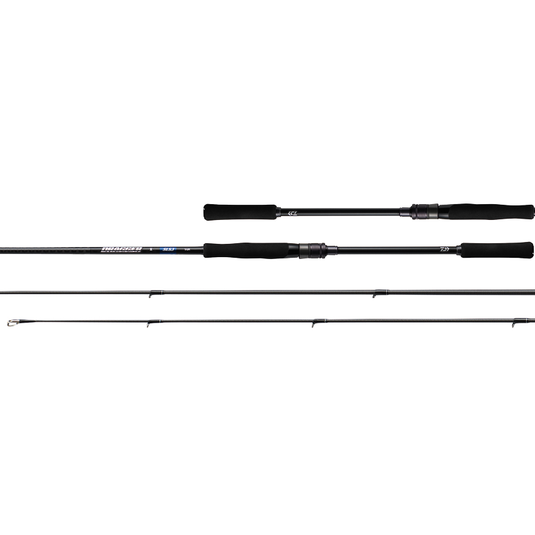
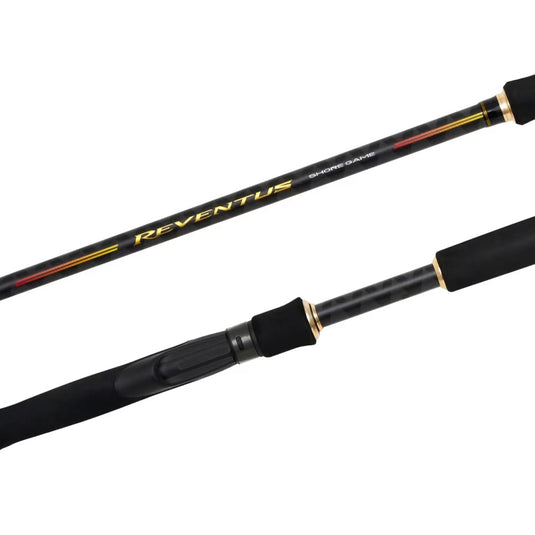
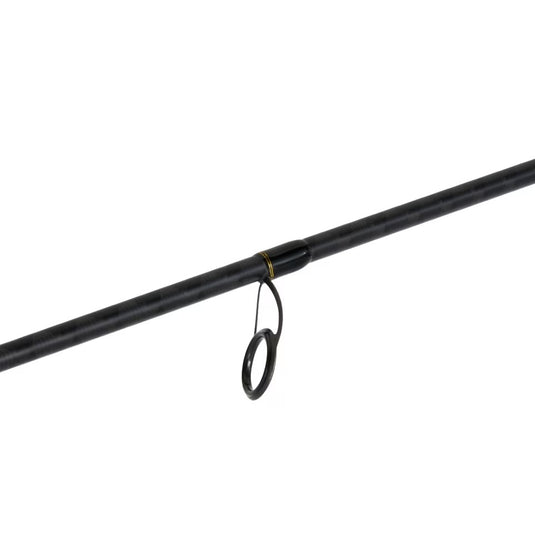
Beach fishing rods are generally between 10 to 14 feet in length. The extra length helps keep the line above the waves and also provides a longer cast but not all beach rods are made the same.
There are two main types of rods - fibreglass and graphite. There are hybrids of these but the majority of options are made with these two materials. Graphite tends to be lighter and stronger but can be very stiff and less forgiving whereas the fibreglass rods will be heavier but are much more durable and flexible.
For whiting fishing we recommend light graphite rods. The reason being is that not only are they lightweight but are very sensitive when it comes to bite detection. Even the largest of whiting can simply "nibble" your bait and when you're battling wind and waves it can be difficult to pick up on these bites with a big, heavy fibreglass rod. To help catch whiting we've developed a great light surf combo that's spooled ready to fish.
REELS
When chasing whiting from the surf you're not looking for a reel with power but rather a reel that's "balanced" which is a reel that suits the rod and feels comfortable. Anything in the 3000 to 4000 size are ideal for rods up to 12 foot. Reels like the Shimano Nexave or the Daiwa Aird are great starters and they wont break the bank. A reminder - always rinse and clean your gear after every session off the beach to ensure your reels will last fish after fish.
Surf Fishing Rods










LINE, LEADER & TACKLE
Line and leader
Many prefer using mono line for the surf as it’s more durable against the grainy sand and it's much easier for beginners as there are less wind knots etc. 8lb to 10lb mono will be fine. As mentioned, bite sensitivity is important and this is why we recommend braided line. The Daiwa J-Braid 4 in 8lb is ideal. It's budget friendly and have a very high abrasion resistance.
Leader
Try and used at least a meter or more of flourocarbon leader. Flourocarbon is not only tough but is virtually invisable underwater which is a big advantage when targeting timid whiting. It also provides some stretch when using braided lines which helps prevent fish throwing hooks. Tip: Try and match the leader with your mainline strength. Don't drop down to less than 6lb as the thinner lines tend to tangle easier in the surf.
Terminal Tackle
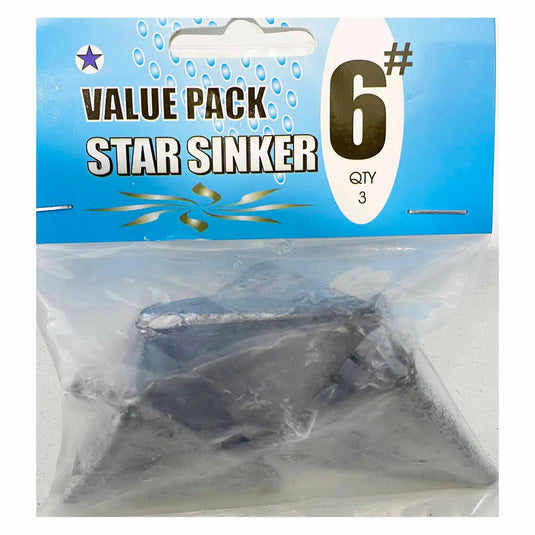
Worm hooks or long shank hooks between size 6 and 4 are perfect. They are large enough to not hook smaller fish but solid enough to handle any large fish that may take your bait like a salmon or jewfish. The Mustad Bloodworm hooks are favourite. Swivels are important to prevent line twist - the more the merrier. When it comes to sinkers, you can opt for the rolling ball sinker or our preferred paternoster rig which uses a size 2 pyramid sinker to anchor the bait in the sand and 2 hooks coming off 3 way swivels. This keeps the bait off the bottom (away from stingrays) and having the extra hook can give you the two for one deal.


EATING WHITING
Whiting is delicious. Can be cooked by most methods but nothing beats fresh whiting deep fried in some crispy beer batter.
Gear for the Surf